Roman Coin Denominations
Rome used a complex multi-metal currency system that evolved continuously over eight centuries. The coins below span from the Republic through Late Antiquity — click any denomination to read its history, see weight and purity data, and browse coins of that type.
Classical system — 1st–2nd century AD
Bar width is logarithmic — the true value difference is far larger than it appears.
1 Aureus = 25 Denarii = 100 Sestertii = 200 Dupondii = 400 Asses = 800 Semisses = 1,600 Quadrantes
Late empire system — 4th–5th century AD
Constantine I's monetary reform (AD 312) replaced the debased aureus with the solidus and introduced the siliqua as the standard silver coin. The 3rd-century antoninianus bridged the two eras.
1 Solidus = 24 Siliquae
The antoninianus (AD 215–295) was nominally worth 2 denarii and bridges the classical and late empire systems. See the Timeline for how the monetary system evolved over eight centuries.
| Denomination | Metal | Typical weight | Era | |
|---|---|---|---|---|
| Aureus | AV — Gold | ~7.8g · ~99% pure | 27 BC – AD 301 | |
| Denarius | AR — Silver | ~3.4g · ~90% pure | 211 BC – AD 244 | |
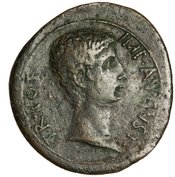 | Sestertius | AE — Bronze / Brass | ~26g | 23 BC – AD 268 |
| Dupondius | AE — Bronze / Brass | ~12.5g | 23 BC – AD 268 | |
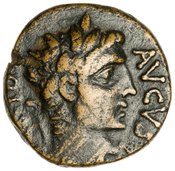 | As | AE — Bronze / Brass | ~10.5g | 280 BC – AD 268 |
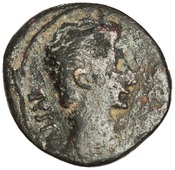 | Semis | AE — Bronze / Brass | ~5.5g | 280 BC – AD 68 |
 | Quadrans | AE — Bronze / Brass | ~3g | 280 BC – AD 161 |
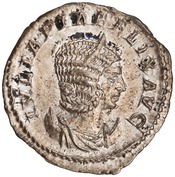 | Antoninianus | AR — Silver | ~5.1g · ~50% pure | AD 215 – AD 295 |
| Solidus | AV — Gold | ~4.5g · ~99% pure | AD 312 – AD 1453 | |
| Siliqua | AR — Silver | ~3.4g · ~95% pure | AD 324 – AD 455 | |
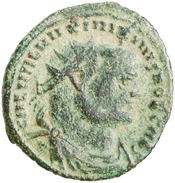 | Fraction | AE — Bronze / Brass | — | — |
| AE2 | AE — Bronze / Brass | — | — | |
| AE1 | AE — Bronze / Brass | — | — | |
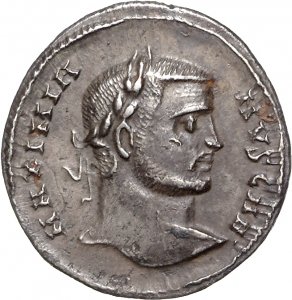 | AE | AR — Silver | — | — |
| AE3 | AE — Bronze / Brass | — | — | |
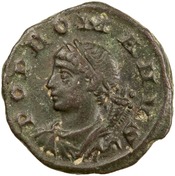 | AE4 | BILLON — BILLON | — | — |
| Double Solidus | AV — Gold | — | — | |
| Semissis | AV — Gold | — | — | |
| Miliarense | AR — Silver | — | — |
Weight and purity data sourced from RIC (Mattingly & Sydenham), Crawford Roman Republican Coinage, and Butcher & Ponting The Metallurgy of Roman Silver Coinage.